
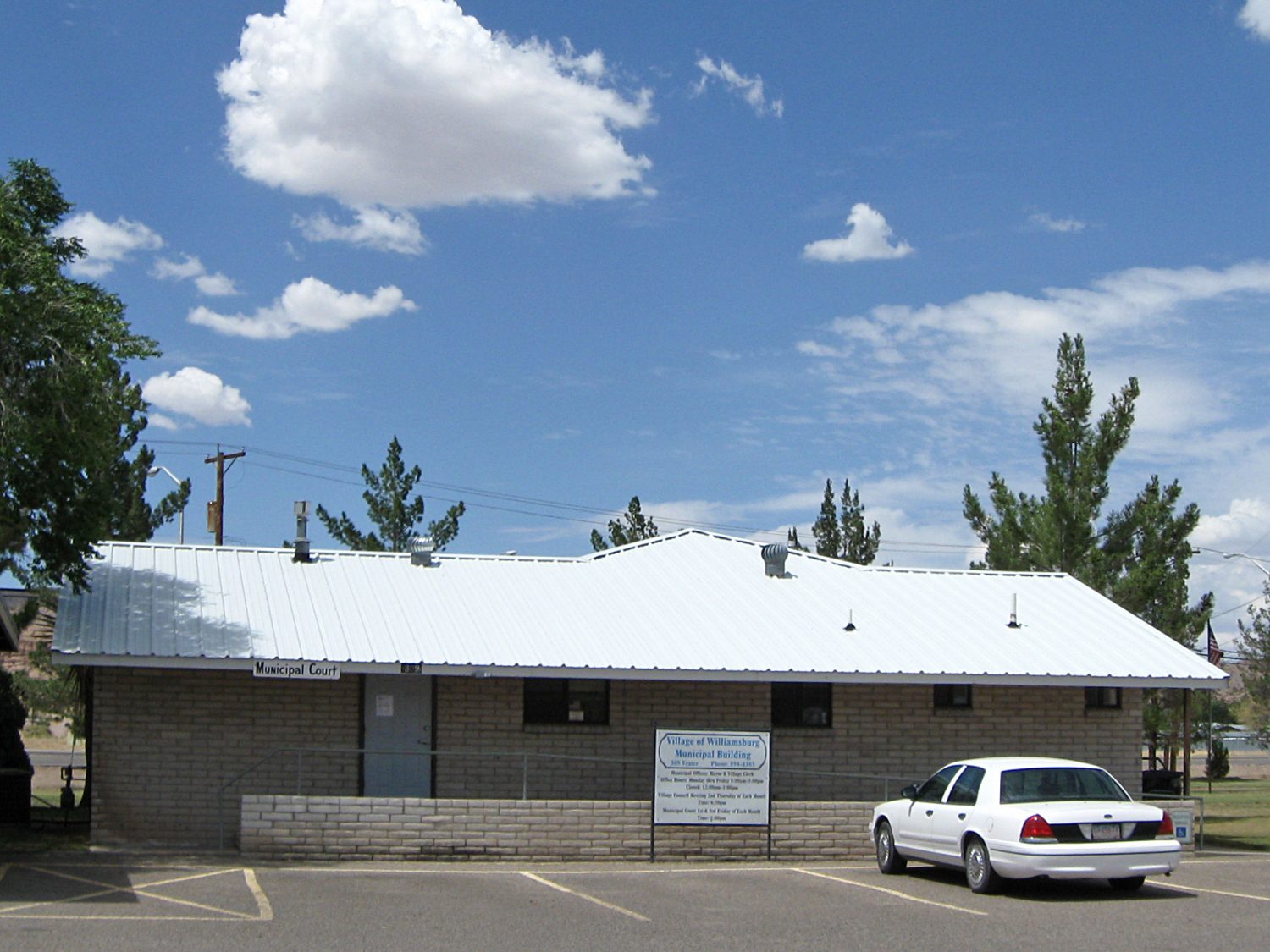

If the residents and Village of Williamsburg Trustees are not critically evaluating what their under-contract engineers are proposing, if they are just going along, the engineering firm will seek to maximize its profits instead of saving residents money, which appears to be the case.
For the last seven years the capital projects the Village of Williamsburg has taken on are road projects. Mayor Deb Stubblefield told me at the April 9 meeting that eventually all the roads will be repaved, based on a plan from 10 or so years ago that ranked roads from the worst to the least damaged.
At the same time, starting about two years ago, the Village decided to reline its sewer lines and upgrade its two lift stations, a $4.2 million project with grant/loan funding from the USDA. The loan is about $1.2 million. That project is nearly done. All that remains is to put in control panels at the lift stations.
But the road and sewer projects were not coordinated.
I asked Stubblefield why the Village has been doing road projects when they knew the sewer and water lines needed to be replaced. Stubblefield said the sewer was done, an indirect and incomplete answer. Eventually she admitted roads were the Infrastructure Capital Improvements Plan focus because “We don’t own anything else.”
I researched the price of relining sewer pipes and it varies greatly, but in general, relining costs about as much as digging up the street, replacing the line and repaving. So the difference is you don’t get a newly paved street if you use the relining method. If you replace water and sewer lines while the street is torn up that gives greater savings than the relining methods. https://sprayroq.com/trenchless-vs-traditional-municipal-water-infrastructure-repair-options-compared/
My research also showed that tearing up the street is better for evaluating the soil-stability conditions that keep the pipe in place or allow it to shift and crack. Given the rising and falling water table near the Rio Grande and the sandy soil and the age of the pipes–60 years or more–it would seem that the least costly and smartest planning would replace the water and sewer pipes at the same time and coordinate road paving with those locations.
It makes no sense to use the underground relining method if you are going to replace the streets anyhow.
I asked Stubblefield if they are replacing the water lines while the street is torn up before repaving the street. The City of T or C owns the water lines, while the Village owns the sewer lines and two lift stations. Stubblefield eventually said Wilson & Co., the Village’s under-contract engineering firm, made the call on site on a case-by-case basis. If the water line needed to be replaced, Stubblefield said the Village “hoped” the City of T or C would reimburse them.
For this year’s update of the Village’s Infrastructure Capital Improvements Plan this is my public input, based on the above reasoning and research:
- Coordinate your road projects with T or C’s plans to replace water lines in the Village so your residents don’t have to pay for waterline replacement.
- Do not route any more stormwater runoff to the river–that pollutes it and the runoff instead should be captured in swales and green strips to water native plants that clean and filter the water. This will improve the appearance of the Village as well. Please make sure the engineering firm understands green infrastructure. Wilson & Company does not appear to.
Please also see my prior article on green infrastructure: https://sierracountycitizen.org/sponge-city-not-hard-city-greening-of-t-or-c-and-village-should-be-icip-goal/
The Village will only have one public input session for the ICIP–which is driving increases in sewer rates and your property tax and gross receipts tax rates. On Thursday, May 14, at 3 p.m. at Village Hall, the ICIP session will be held. At 3:30 p.m. a discussion of sewer rates will be held. It is unclear if public input will be allowed or if action will be taken by the Trustees. At 4 p.m. the Trustees’ regular meeting will begin.