
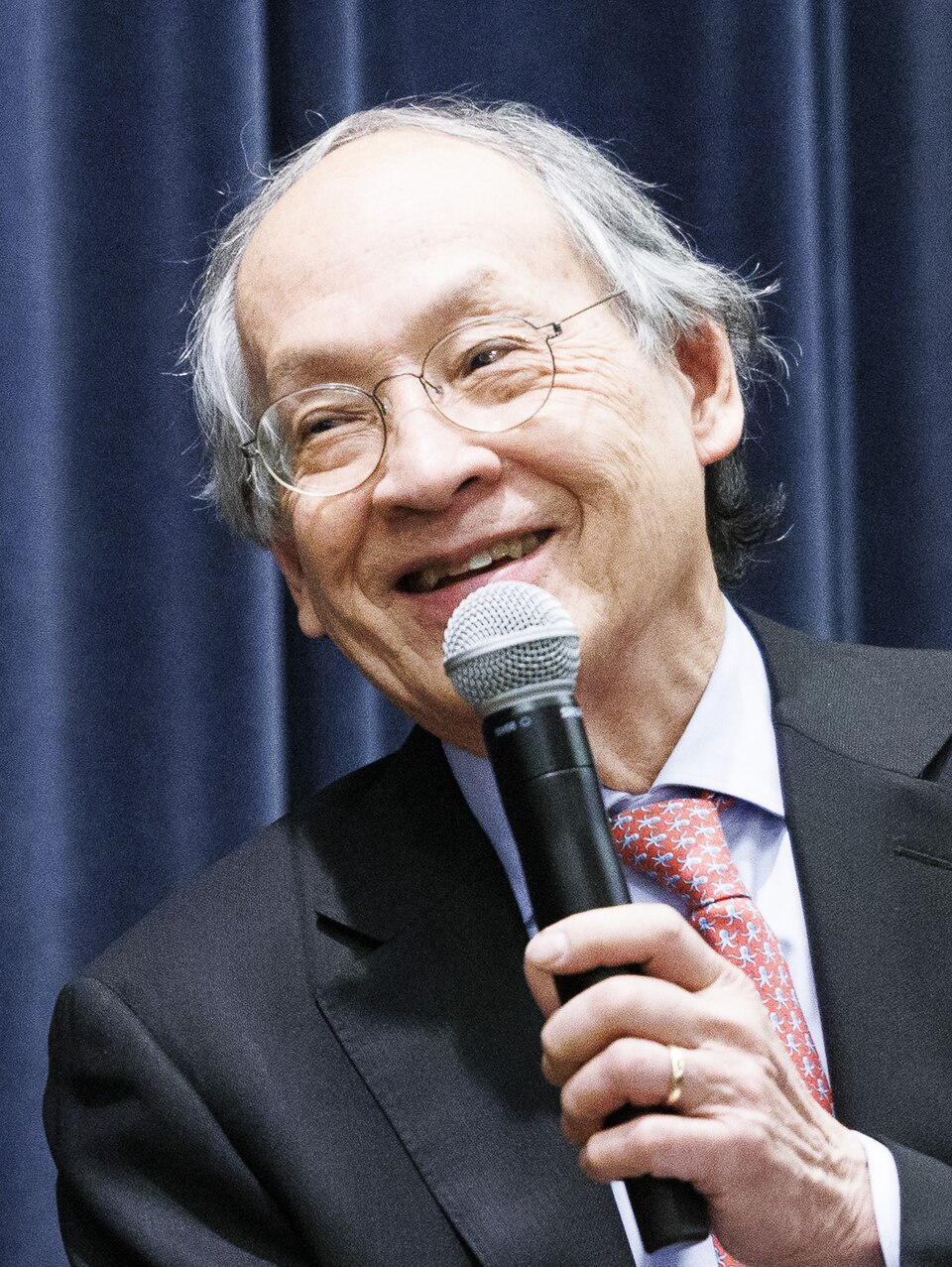
A couple of weeks ago, Arthur Sze was appointed a second time to be the Poet Laureate of the Library of Congress, our national poet laureate. He wrote (in the poem “Water Calligraphy”): “A neighbor brings cucumbers and basil;// when you open the bag and inhale, the world// inside is fire in a night courtyard//// at summer solstice; ….”
Sze is a master of the silences of poetic rhythm, of the line break, of the stanza break, of spacings between words on the printed page, of deleted and replaced words in the process of writing poetry, and especially of the gaps between images that seem to separate but in fact poetically relate images, gaps between images minutely perceived and images imagined. Because he dwells in those silences, I would call him a meditative poet.
You can read a small selection of his poetry (with commentary) on the website of the Poetry Foundation (publishers of Poetry Magazine): https://www.poetryfoundation.org/articles/159592/arthur-sze-selections.
Sze is the second poet from New Mexico who has been honored by the Library of Congress as national laureate. The first was Joy Harjo, who went to school in Santa Fe and college in Albuquerque and taught at the Institute of American Indian Arts. In fact, she left the Institute the year before Sze began teaching creative writing there. But where Harjo melds her New Mexican experience easily into her Muscogee identity, Sze attempts to maintain a silent gap between his Chinese ancestry and his New Mexican present.
He taught himself classical Chinese and became a major translator of ancient Chinese poetry. At the same time, he wrote poetry filled with native American imagery. More recently, he has brought the Chinese language (in the form of the written script) into juxtaposition with the minutely observed images of his daily life, always suggesting that those apparent cultural gaps reverberate with full meaning. I know of no other translator of Chinese poetry who embraces the understanding that the images of classical Chinese poetry are not just the depicted scenes but also the calligraphic gestures of writing the ideographic words of the poem.
Some die-hard localists may not want to think of Sze as a New Mexican poet, but he is. He has been writing poetry about New Mexico for over 40 years ago. He was the first Santa Fe city poet laureate. He was the first New Mexico state poet laureate. PBS calls him one of the most acclaimed poets today, but some recognition should also be made to the Institute of American Indian Art for fostering two national poet laureates during their formative professional lives.
Ode To My Bidet
Bidet, Bidet I have to say, is my bestest-friend today.
A spurt of water here or there, try not to get it every-where.
Wipe away from private parts, try not to laugh and hold your farts-of-portingal.