

This is “Infrastructure Capital Improvements Plan” season, which is the sadly superficial planning process that determines our future—what our community looks like, how well it functions and what we pay in taxes and utility fees to our local government.
Every local government in New Mexico must turn their ICIP in by July 12, but staff needs to do a lot of estimating and online inputting, so our local elected officials need to decide what capital projects they want by mid-June or so.
By law the local governments are supposed to hold at least one public hearing, since the people own and pay for public property and should determine or at least have a voice in what capital projects are pursued.
Truth or Consequences had two public hearings on April 22 and a third public hearing during the May 13 city commission meeting. All the public input was ignored except for one idea, which Mayor Rolf Hechler liked and which was totally predictable—building an industrial park on the public dime.
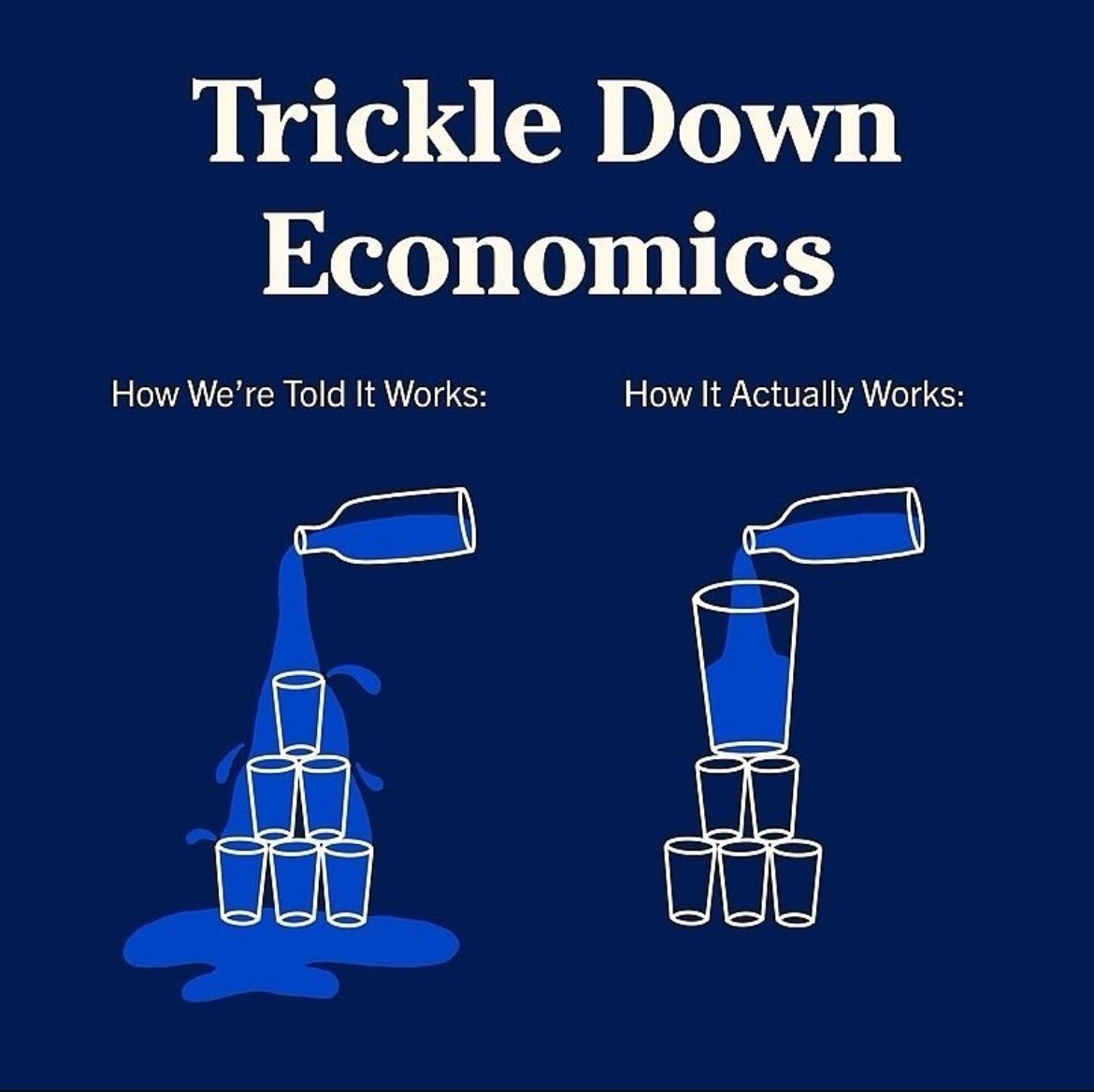
Hechler, like most of the elected officials in T or C, Elephant Butte and the Village of Williamsburg, whom I have observed for over 20 years, believes in trickle-down economics. Do everything you can to attract business and tourism and the area will prosper.
Hence the spaceport was built and is still being built out, first to attract Virgin Galactic and 200,000 yearly visitors and now to attract any space-related companies.
Hence the $35-million hospital wing to attract medical employees and services.
Neither of these projects has paid off or increased local prosperity. They are a consistent burden on our tax payers.
But “build it and they will come” prevails, with the taxpayer footing the bill up front instead of the wealthy elites.
The prospect of PreReal Investments building 500 homes in Elephant Butte is the current trickle-down prize being chased. Hechler and City Manager Gary Whitehead, without reference to PreReal and no explanation, said that the goal of “regionalization of wastewater” needed to be among the top five ICIP projects. Hechler looked to Whitehead for direction, who diplomatically suggested Hechler talk the idea up among Elephant Butte’s city council to get their consent and commitment first. No estimate of cost was mentioned. See: https://sierracountycitizen.org/turtleback-mountain-golf-resort-has-its-way-with-elephant-butte-and-truth-or-consequences-in-annexation-action/
Doubling the capacity of the T or C solid waste facility to service the same 500 homes the developer has on paper was bruited about last year and this year during ICIP cursory discussions. Not once has the city commission addressed the massive exploitation of polycart customers in T or C and the Village of Williamsburg who are subsidizing the favored and under-charged Elephant Butte customers. No estimate of the cost of this expansion was mentioned.
The impetus for putting the construction of a vehicular bridge on the ICIP list is also to curry favor with a developer. The bridge across the Rio Grande is to enable a residential development on the Brown family’s land that was annexed into the city around 1996. Instead of the developer paying the expense to get water and wastewater to their land, the people will pay for a bridge that will support the main lines. It’s estimated to cost less than $5 million, which doesn’t seem realistic.
Fixing the Lee Belle Johnson building is again among the top five ICIP projects. The building’s floor cleaved up due to hot-springs intrusion and rot in the foundation. It’s been closed for five years. The project is being touted as returning the community center to the people, but it was taken away from the people over 10 years ago to service tourists. Most of the building housed spaceport exhibits and the Geronimo Trail Scenic Byway Visitors’ Center and will probably return to that function. A cost figure was not given.
Fixing the Clancy Street lift station–the pump house that moves the sewage up and over vet’s hill–is again among the top five. This is the only down-to-earth project on the list that aims at maintaining and replacing wastewater equipment. It’s estimated at about $1.5 million.
Other projects on the ICIP list are to burnish the city commission’s idea of T or C being a Camelot, where tourists and residents spend their time playing golf and swimming and hiking.
Repaving Marie Street and adding sidewalks is among the top five projects. The city is pumping almost $400,000 of its residents’ public funds this year into getting the golf course working and green again and beautifying this street that fronts it is necessary to cross the “t” in Camelot.
A multipurpose recreational center is also among the likely top five, so called to get grant money, which is never given to build indoor pools–the real desire of the people for at least 20 years. Once again Whitehead diplomatically proposed that the city commission talk this up among other local-government elected officials so that the expense can be shared by a broader public. It’s optimistically estimated at under $7 million.
The city will put on standby fixing the city’s many water leaks and the wastewater system; a priority for the last five years. The city “has $50 to $60 million to spend over the next three or four years,” Hechler said, and taking on more water or wastewater projects (besides “regionalizing” wastewater services with Elephant Butte) is just too much for city staff to oversee well and efficiently.
Instead of chasing trickle down and Camelot, I’ve been urging the city for years to base its ICIP choices on asset management plans.
This would entail the city staff tagging and taking yearly inventory of all equipment and infrastructure, such as roads and pipes and buildings and trucks. The age, condition and scheduled maintenance and/or replacement of such assets would be updated yearly.
City department directors would give yearly asset management reports. Each month such a report would be given that allows the public and city commission to ingest the state of each department’s assets. The report would include the needed capital projects and estimated costs one to five years out. When it’s ICIP time, one has a book of asset management plans already heard throughout the year.
Such an approach would have prevented the 60 years of neglect of the water and wastewater infrastructures.
The city purchased I-Worqs software four years ago to address the lack of asset management and tracking in the city. I asked City Manager Gary Whitehead for the water, wastewater and solid waste I-Worqs asset management plans about a month ago in anticipation of this year’s ICIP update. None exist. I asked how the city then decides what should be ICIP priorities if it doesn’t know the age, condition, replacement needs of its assets. “I don’t have an answer for that,” Whitehead admitted. But he’s working on it and recognizes the need for asset management plans and records.
The city’s 2024-25 audit was also on the May 13 agenda and one of the serious findings concerned the lack of capital assets record keeping. But that’s another story. More on that soon.
Nothing really surprised me here, except for the apparent decision to put the repair of water leaks around town on hold. (Please correct me if I’m misstating this part of your report.) Are you f****** kidding me? From what I can see this city hasn’t gained any population since the last census, the infrastructure problem with the electrical and water system is still a thing, the lake is lower than ever, and the performance of our local schools isn’t really top notch. And the last thing we need are real estate developers from out of state buying up the land and building overpriced housing that will simply add to local inflation,which will ultimately, if wages don’t increase commensurately, raise the crime rate, the dependence on public services, and the number of the homeless. Among other things.
I might add that as a recent resident at the local hospital there are, despite the rosy proclamations by some politicians and administrators, some well-meaning extremely hard working staff, a number of which you have lived in this area all are most of their lives, that are severely taxed by an inadequacy of resources and an inability to pay the best of the best what they actually deserve.
I noticed the so called meeting they post live through YouTube,They disabled comments ..you can’t say anything basically ..unless it was just for me only..but I found this to be odd ,why can’t you comment during live feed?