
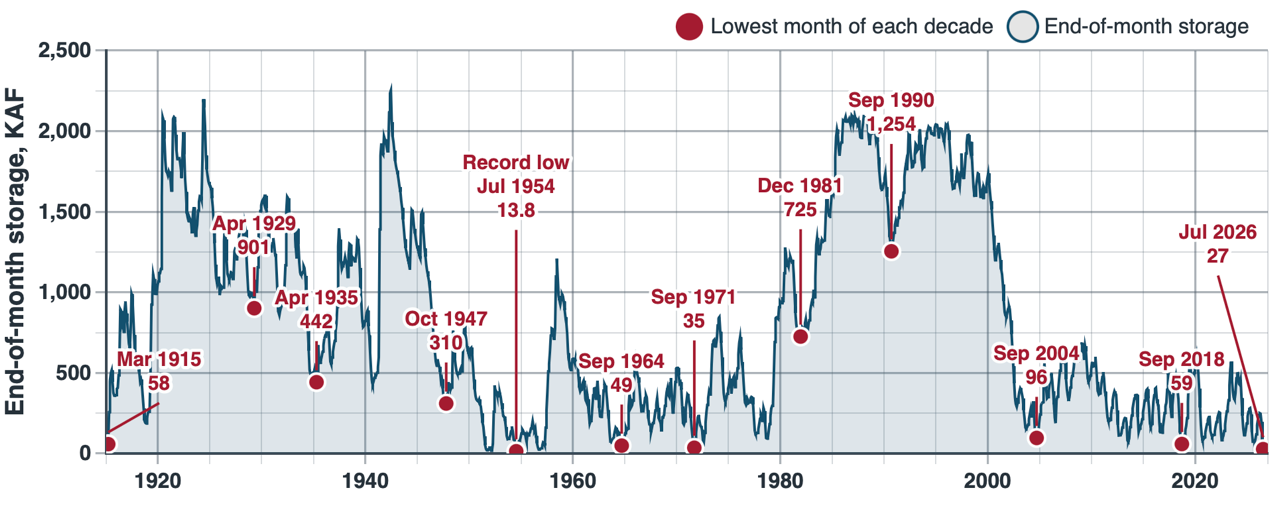

New Mexico has entered a new era for water in the Lower Rio Grande. New decisions must reflect it.
In the Texas v. New Mexico lawsuit, the U.S. Supreme Court issued a decree that ends thirteen years of litigation. The details are complicated, but the basic reality is this: New Mexico must deliver Texas’s share of water to El Paso, requiring major reductions in existing groundwater pumping.
New Mexico must acquire 18,200 acre-feet of active groundwater rights from willing sellers–enough water to supply about 55,000 four-person New Mexico households for a year. New Mexico is also required to restore the river’s ability for downstream deliveries. Because groundwater pumping undermines the river, even that amount is far from enough. Compliance will be very costly to New Mexico taxpayers.
That should change how New Mexico evaluates new proposed water uses–including Copper Flat near Hillsboro
Copper Flat would require significant groundwater pumping in a region where existing water users are already struggling. The company says its revised proposal will use less water, but technical reviewers continue to question whether sufficient water is legally and physically available for mine operations and long-term reclamation.
State regulators must now answer another question: How does adding another groundwater user fit within New Mexico’s obligations under the Rio Grande settlement and decree?
The Lower Rio Grande and hydrologically connected groundwater are one system. Groundwater pumping reduces water that would otherwise reach streams and rivers, which is particularly important at Copper Flat. The effects of groundwater pumping may not show up in the Rio Grande immediately, but they will diminish river flows for decades to come.
Once that water is pumped, the full depletion of the river is assured.
New Mexico no longer has the luxury of looking at each proposed water use in isolation.
Under the settlement, only the State–not a mine, city or farmer–is accountable for meeting New Mexico’s downstream water delivery obligations. New groundwater use creates consequences for the State and its taxpayers that must be made up elsewhere.
That raises an essential question about Copper Flat: Whose water are they taking, and what dollar costs are they imposing on others?
A proposed use may look manageable by itself, but approving one new use after another is how we have overwhelmed a limited resource.
People who already depend on water in this region understand that scarcity firsthand. Along Las Animas Creek, farmers and other residents have watched wells become less productive and surface flows decline. Now the State is on the hook for stopping much of the total pumping. New compact accounting and New Mexico accountability for delivering the full Texas share of Caballo Dam releases to the El Paso stream gauge begins January 1, 2027. Those two conversations cannot happen separately.
Before state regulators make a decision on Copper Flat, they should work with New Mexico’s water authorities and answer some basic questions publicly: How much water will the mine actually need through operation and reclamation? Is that water physically and legally available? What will pumping mean for Las Animas Creek and the Lower Rio Grande over time?
And, most importantly, Copper Flat must explain: How will its new groundwater pumping avoid interfering with the requirements the U.S. Supreme Court has laid down for New Mexico’s compliance?
On September 17, the New Mexico Mining and Minerals Division will hold a public hearing on Copper Flat at the Hillsboro Community Center. These questions should be at the center of that discussion.
New Mexico will not survive if we fail to change the way we make decisions about water. That must start now.